
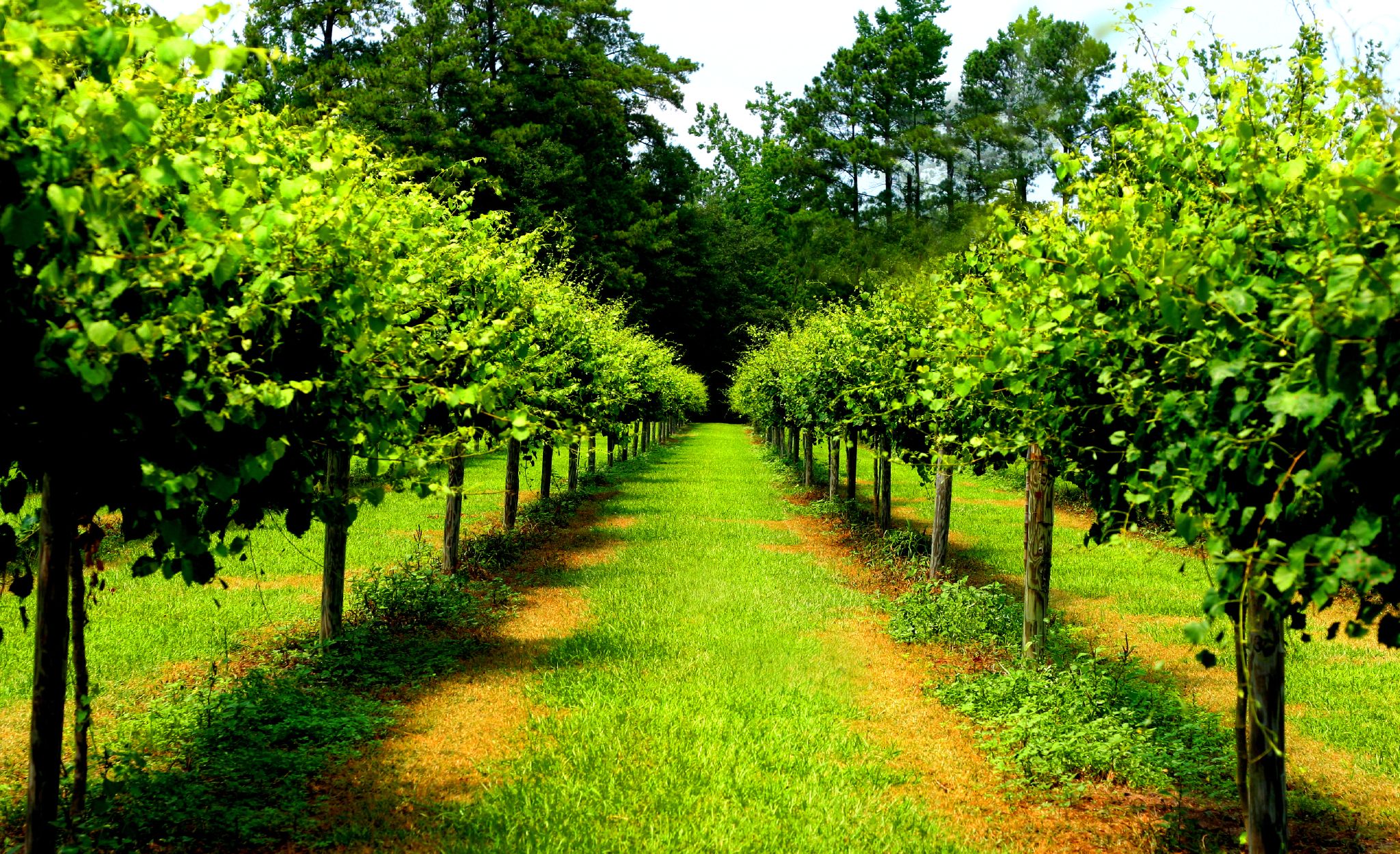
“And indeed, for you in grazing livestock is a lesson. We give you drink from what is in their bellies – between excretion and blood – pure milk, palatable to drinkers.” [al-Nahl: 66]

Surah al-Nahl (The Bee) is a lengthy but beautiful chapter which mentions many of the blessings that Allah `azza wa jall has bestowed upon Mankind. Of those blessings is the produce of animals which become a provision for us e.g. milk, meat, honey, fur etc.
Now interestingly, in this verse, Allah `azza wa jall uses the verb نسقيكم (nusqeekum) when speaking about the provision milk, meaning: ‘We give it to you as a drink.’ The point here is that as humans, we have no power whatsoever in bringing forth milk from these cattle. From between the rapid, intricate, and complex anatomy of the animal’s internal (between blood and waste), Allah `azza wa jall allows the production of pure nutritious milk, and He grants it to us, the sharibeen, to drink it. So He attributes this merciful and kind act to Himself.
Now, let’s look at the next verse…

“And from the fruits of the palm trees and grapevines you take intoxicant and good provision. Indeed in that is a sign for a people who reason.” [al-Nahl: 67]
Bearing in mind that this verse was revealed in Makkah, before the prohibition of alcohol, we see how Allah `azza wa jall draws the people’s attention to the blessing of fruits (namely, dates and grapes) which they’ve long used to make wine. If you pay close attention to the Arabic, you’ll see that the verb is drastically different to the one in the previous verse…
Here, Allah `azza wa jall says that from these blessings of fruit, YOU create intoxication. He does not attribute this act to Himself. Then He says after that, that you also take from it a goodly provision (rizqan hasanan). Did you notice how the adjective ‘goodly’ is only mentioned alongside the provision (rizq) and not the intoxication (sakar)? Why?
The wisdom goes back to the fact that this is a Makkan Surah and wine had not yet been prohibited, but subhan’Allah, Allah places this subtle sentence structure as a preparation for the people; to spark their senses that something is different here about intoxication, that something is not quite wholesome. Allah `azza wa jall does not condemn it, but He also does not praise it like He did the provision (rizq). In a nutshell, He is mentally preparing the people for the prohibition of wine that will occur soon enough. The scholars say that the Sahabah knew wine would soon be prohibited, and those who had appreciation and depth of understanding with regards to the Qur’an knew from this subtle hint.
Many of us know that wine was prohibited in stages, but I’m sure not many of us (including me) realised that before the initial stage of prohibition, there was another stage where the believers were being prepared mentally, and that is via the subtle language of the Qur’an and the use of words/structure like in this verse. Allahu Akbar 🙂
I haven’t studied the tafsir of this surah, but I thought about it a few times: why does Allah SWT mentioned khamar as rizqan but added hasanan afterwards. JKhair.
In his tafsir or Suratul baqarah, Dr. Ahmad ibn Muhammad al-Baridi said that both ribba and alcohol were prohibited in four stages: Implicit, explicit, restriction, and prohibition. For example:
Sadaqah is better than ribaa.
وَمَا آَتَيْتُمْ مِنْ رِبًا لِيَرْبُوَ فِي أَمْوَالِ النَّاسِ فَلَا يَرْبُو عِنْدَ اللَّهِ وَمَا آَتَيْتُمْ مِنْ زَكَاةٍ تُرِيدُونَ وَجْهَ اللَّهِ فَأُولَئِكَ هُمُ الْمُضْعِفُونَ
Yahood used to consume ribaa. If it is haram upon them, won’t it eventually be upon the best nation?
فَبِظُلْمٍ مِنَ الَّذِينَ هَادُوا حَرَّمْنَا عَلَيْهِمْ طَيِّبَاتٍ أُحِلَّتْ لَهُمْ وَبِصَدِّهِمْ عَنْ سَبِيلِ اللَّهِ كَثِيرًا
Restricted prohibition:
يَا أَيُّهَا الَّذِينَ آَمَنُوا لَا تَأْكُلُوا الرِّبَا أَضْعَافًا مُضَاعَفَةً
Categorical Prohibition:
يَا أَيُّهَا الَّذِينَ آَمَنُوا اتَّقُوا اللَّهَ وَذَرُوا مَا بَقِيَ مِنَ الرِّبَا
Jazak’Allahu khayran for your beneficial input. Perhaps this verse in al-Nahl is the implicit prohibition…
Taken from notes on the duroos of Shaykh Salih al-Maghamisi (Asrar al-Tanzil)
Lovely reminder. Jazakallahu khairun sis
“And from the fruits of the palm trees and grapevines you take intoxicant and good provision. Indeed in that is a sign for a people who reason.” [al-Nahl: 67]
People who reason – key words -meaning not using as intoxicant but with reason. Surat 2 Al Baqarah v.256 “There is no compulsion in religion. – The right path has become distinct from the wrong – whoever disbelieves in Taghut and believes in the (guidance of Allah) has grasped the most trustworthy handhold that will never break.Allah is All hearer, All Knower”
Taghut means a false judge who gives false judgement. Humans have to judge for themselves what is right and what is wrong, not what someone else decides in their power, to decide for another. Wine was provided for humans to consume in moderation…although sometimes, as humans, we do go overboard! Just IMO…x
Jazak Allahu khairun. A very good example for what Allah azza wa jall understands of the Human mind.
Can you translate more quotes from Malik bin Dinar and Yahya bin Mu’adh? Also updating the blog more often…….?
I try to update but it’s not always possible, so the blog pretty much remains as it’s always been: a mere hobby on the side! But yes, I will try insha’Allah.